
Coastal & Urban Resilience
Helping coastal cities and authorities plan adaptation measures that protect people, infrastructure, and ecosystems.
The challenge
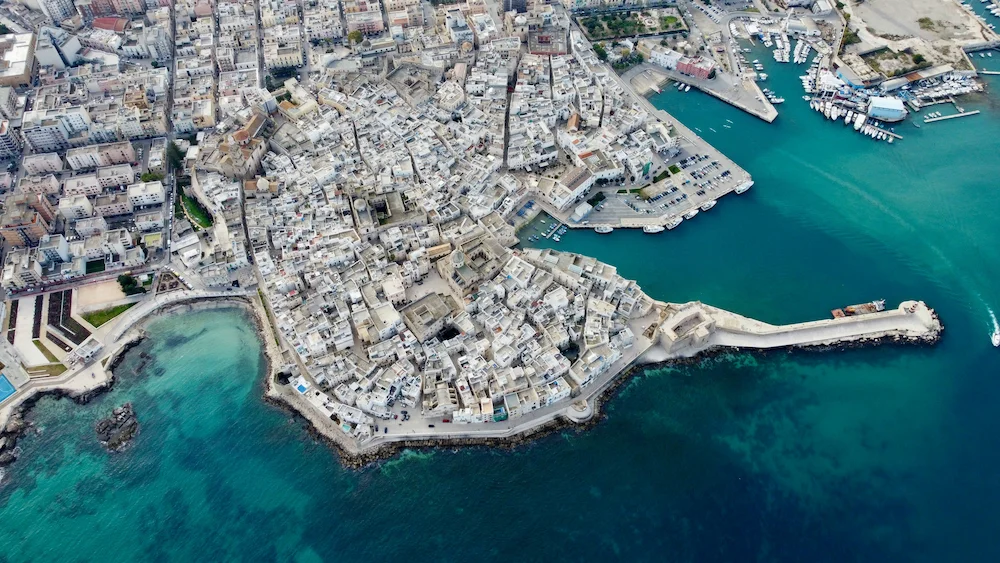
Europe's coasts are where land, rivers and sea meet, and where pressures add up. Erosion, flooding, sea-level rise, poor water quality and biological hazards affect ports, towns, beaches and aquaculture at the same time, and each decision taken on one of them has consequences for the others.
Local and regional authorities need to know, before they invest, what a measure will change. Removing a barrier, restoring a wetland or nourishing a beach can improve one problem and worsen another, and the evidence to compare options is often scattered or missing.
What it does
The Coastal & Urban Resilience application is a digital twin that brings land, river and ocean dynamics together in a single view of the coast. Built on EDITO, the European Digital Twin of the Ocean, it combines high-resolution models, satellite and in-situ observations, citizen-science data and socio-economic information.
Users can run What-If scenarios to compare adaptation options, from dune construction and barrier modification to ecosystem restoration and beach nourishment, and see how each one affects erosion, water quality and the state of the marine environment. Results are presented through dashboards and visualisations designed for planners rather than modelers, with a clear indication of how reliable each result is.
Who benefits
The application is designed for those who plan and manage the coast: municipalities, port authorities, regional environmental agencies and national authorities, as well as aquaculture managers exposed to coastal hazards. It also offers insurers, consultancies, and researchers a shared evidence base for assessing coastal risk.
Relevant stakeholder groups:
- Policy makers and public authorities
- Urban & marine spatial planners and coastal managers ·
- Blue economy industries
- Citizens and citizen scientists.
Policy context
The application supports the implementation of the Marine Strategy Framework Directive (MSFD) and its goal of Good Environmental Status (GES), the EU Strategy on Adaptation to Climate Change and the use of nature-based solutions for coastal protection. It contributes to the EU Mission Restore our Ocean and Waters by 2030.
Where it is tested
- Taranto, Italy - Mediterranean Sea basin.
- Norwegian coast - Atlantic and Arctic Sea basin.
- Danube Delta and North-West Black Sea - Danube River basin and Black Sea.
Who is involved
Development led by
CMCC
UNIBO
HEREON
NERSC
LOBELIA
FUGRO
Demonstration led by
CMCC
NOC
UNIBO
HEREON
NERSC
FUGRO