Needs and Challenges
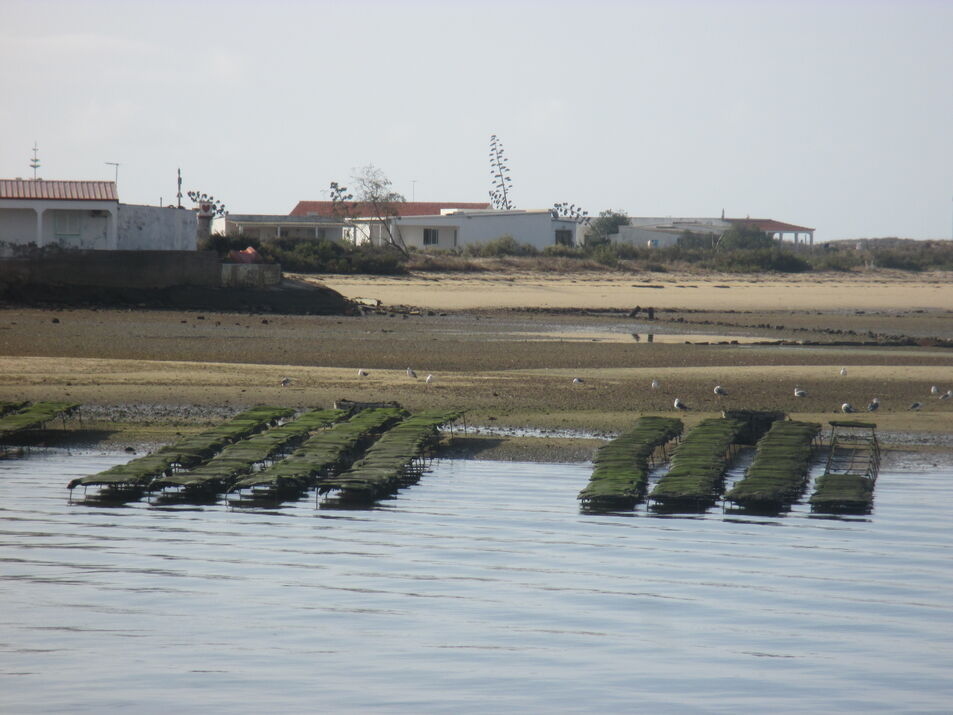
Ria Formosa accounts for more than 80% of Portugal's clam production. Producers and managers need to know the lagoon's carrying capacity now and in future, and which speciesperform best with the least ecosystem impact. They need accessible information on production areas.
Oceanity Solution and Approach
The use case builds on the OPENCoastS relocatable modelling service and a pilot digital twin from the CONNECT project, with dashboards and indicators. OCEANITY adds the new scenario engine, brings biogeochemistry modelling into the OPENCoastS interface, and develops a multi-functional digital twin combining physical, biogeochemical and socio-economic information under climate change.
Data
Models & digital twin services
Tools for users
Potential Impact
Producers can plan production areas and species within the system's carrying capacity.
Managers can assess climate change impacts on shellfish areas and adaptation options.
Data turned into information for both day-to-day and long-term management.
Replicable in other coastal areas through OPENCoastS and the CONNECT platform.